Loading...
Serving Worcester, MA and surrounding areas. (774) 778-2788
New construction, addition, or a failing old foundation? Properly built below Worcester's frost line, with drainage that keeps water out for the long run.
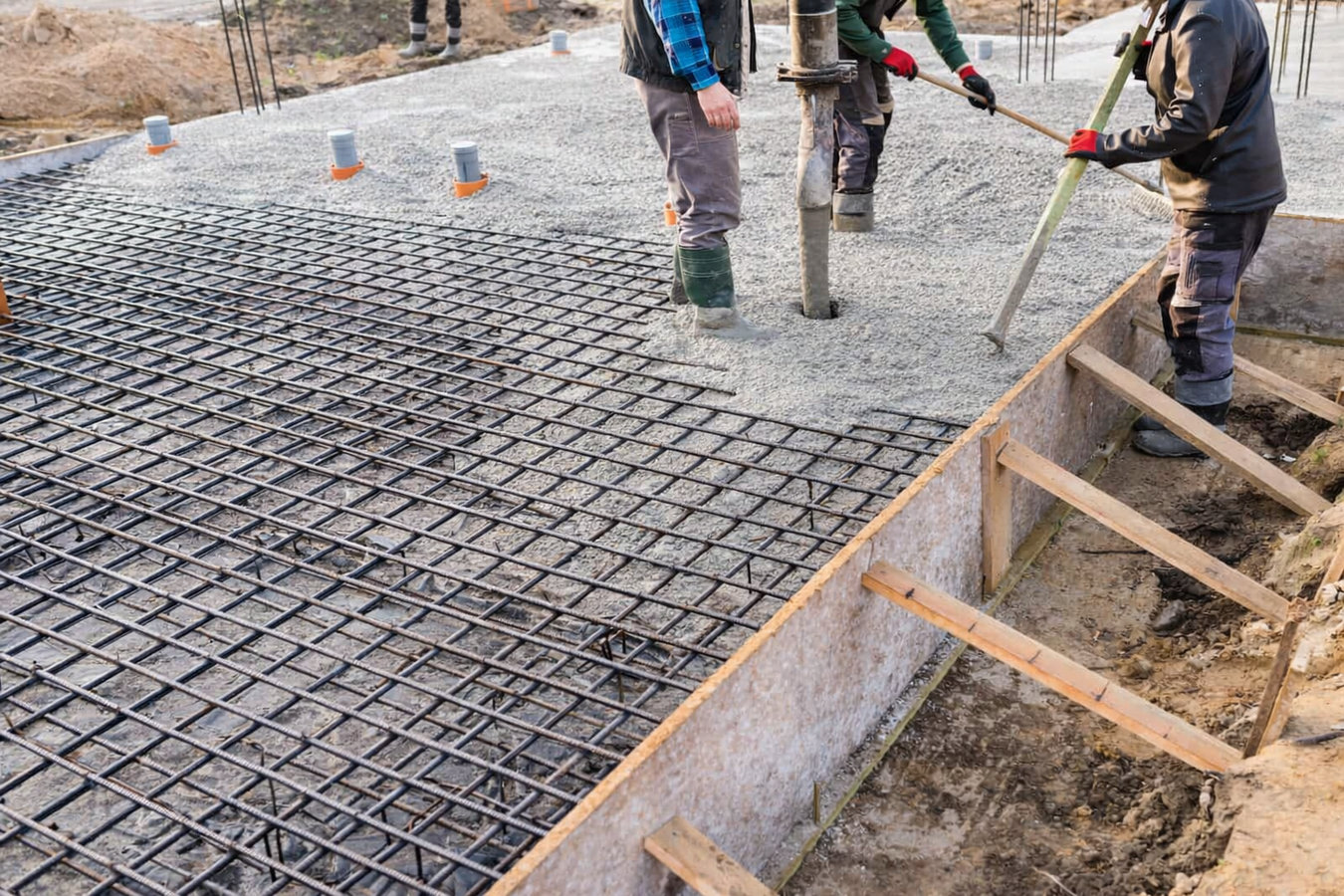
Foundation installation in Worcester means excavating below the 48-inch frost line, preparing a compacted gravel base, building and pouring reinforced concrete walls or footings, applying exterior waterproofing, and installing drainage around the base - most residential projects run one to three weeks from excavation to the point where framing can begin, with a city inspection at each key stage.
Worcester's housing stock includes a large number of homes built before 1940, many of which sit on stone rubble or brick foundations that were not designed for modern loads or modern winters. Foundation installation here covers both new-construction projects and replacement foundations on older homes - two different scopes that require different skills. We also handle foundation raising for homes where an existing foundation has settled or shifted and needs to be brought back to level without a full tear-out.
The quality of a foundation is mostly invisible once the work is done - which makes choosing a contractor carefully one of the most important decisions on any building project. The details that matter, like how well the soil was compacted, whether the concrete mix matched the day's conditions, and whether drainage was installed correctly, all happen before the walls go up.
Diagonal cracks running from the corners of windows or doors - especially ones wider at one end than the other - often signal that part of the foundation has shifted or settled unevenly. In Worcester, this can happen when the soil beneath the foundation has been pushed and pulled by repeated freeze-thaw cycles over many winters, gradually moving the structure out of alignment.
When a foundation moves, the frame of the house moves with it, and that shows up first in doors that drag on the floor and windows that no longer slide smoothly. This is especially common in Worcester's older homes, where original foundations were not designed for the movement caused by the deep frost cycles that have built up over decades.
Standing water or damp patches appearing after a storm or during spring snowmelt signals that your foundation's drainage is failing or was never adequate. Worcester gets significant precipitation year-round, and spring melt can push a lot of water against foundation walls in a short period. A foundation without proper drainage will eventually let that water in.
A basement wall that curves inward or has a visible bulge is under pressure from the soil outside. This is a serious warning sign - it means the wall is being pushed by the weight of the ground and may eventually crack or fail. Worcester's hilly terrain and clay-heavy glacial soil can generate significant lateral pressure against foundation walls, especially after a wet spring.
We handle the full scope of a foundation installation project: permit applications, excavation to below Worcester's 48-inch frost line, gravel base preparation, formwork, rebar placement, concrete pouring, exterior waterproofing membrane, and drainage installation around the base. Every project includes city-required inspections at the reinforcement stage and at project completion - you receive documentation confirming the work passed, which matters when you sell or refinance.
For new construction on cleared lots, we build full basement foundations or slab-and-footing combinations depending on the site and budget. For additions to existing Worcester homes, we tie the new foundation into the existing structure so the connection is level, sealed, and waterproofed. For foundation raising projects, we assess whether lifting and re-leveling the existing structure is viable before recommending a full replacement. For projects that need a smaller isolated footing rather than a full foundation, we also work with concrete parking lot building scope to support posts, columns, and decks.
Site conditions in Worcester can include ledge rock at unpredictable depths due to the area's glacially deposited soil. We discuss this possibility before any work begins and explain how it affects the plan and cost if we encounter it. No surprises buried in the final invoice.
Best suited for homeowners building a new home or large addition on a cleared lot where the foundation design starts from scratch.
The right choice for older Worcester homes sitting on failed stone rubble or brick foundations that can no longer support the structure adequately.
Suited for homeowners expanding an existing structure where a new foundation section must tie cleanly into the existing building perimeter.
Massachusetts requires foundations to be built below the frost line, which sits at roughly 48 inches in the Worcester area. That means excavation here goes significantly deeper than in warmer states before a single form is set. For a homeowner, this means more excavation time, more soil removal, and higher labor costs than what national cost guides suggest. A contractor who quotes a Worcester foundation based on typical national rates is not accounting for local conditions.
Worcester also has a large share of homes built before 1940, many on stone rubble or brick foundations that were never designed for modern loads or freeze-thaw pressures. Replacing these foundations is more complex than new-construction work - it involves temporarily supporting the house while the old foundation comes out, then pouring a new one. A contractor needs specific experience with this kind of project on older homes. Worcester's glacially deposited soil also means hitting ledge rock during excavation is a real possibility, and a qualified local contractor will address that risk honestly before the contract is signed rather than after the drill arrives.
We complete foundation installation projects across the region, including properties in Worcester, Nashua, and Quincy. Each project starts with a site visit to assess soil conditions, slope, and equipment access before any design decisions are made.
We respond within one business day and schedule a site visit to assess soil, drainage, slope, and equipment access. We discuss the permit process and any site-specific risks - like potential ledge rock - before giving you a written quote. No firm numbers over the phone.
Once you sign the contract, we file for the building permit with Worcester's Inspectional Services Division and handle all city communication. Approval typically takes a few days to a couple of weeks. We keep you updated - you do not need to chase it.
The crew excavates to below the frost line, prepares the gravel base, sets forms, and places steel reinforcement. A city inspector checks the work before any concrete is poured. The pour typically takes one to two days for a standard residential foundation.
After the concrete cures, we apply exterior waterproofing and drainage materials, then backfill the excavation. A final city inspection closes out the permit and confirms the work meets Worcester's building standards. You receive that documentation for your records.
We respond within one business day, visit your site before quoting, and manage the permit process from application to final sign-off.
(774) 778-2788Worcester's 48-inch frost depth is not an upsell - it is a requirement we build into every foundation quote from the start. Contractors who shortcut excavation depth create frost-heave problems that show up as cracks and movement within the first few winters. We do not cut that corner, and we show you the depth in your written estimate.
Worcester sits on glacially deposited soil where ledge rock can appear at unpredictable depths. We raise this possibility during the site visit and explain how we handle it in the contract before any work begins. You will not receive a surprise change order mid-excavation because we found rock we never mentioned.
We pull a building permit with Worcester's Inspectional Services Division on every foundation project, without exception. That permit process sends a city inspector to verify the work meets code at key stages - providing you with independent oversight that does not rely on our word alone. The documentation protects you when you sell the property.
Many of the foundation replacement projects we do in Worcester involve pre-1940 homes with original stone rubble or brick foundations. Working on these structures requires experience with temporary shoring and underpinning - not just standard new-construction formwork. The National Association of Home Builders provides guidelines on residential foundation standards that inform how we approach these projects.
Every foundation project we complete in Worcester is permitted, inspected, and documented. When the work is done, you have a paper trail that confirms your home is sitting on a foundation built to code.
Commercial and residential concrete parking areas engineered for heavy vehicle loads and Worcester's freeze-thaw conditions.
Learn moreStructural lifting for settled or tilted foundations that have lost level without requiring a full foundation replacement.
Learn moreSpring booking slots fill quickly - reach out now to lock in your project date before the construction window closes.