Loading...
Serving Worcester, MA and surrounding areas. (774) 778-2788
Sunken foundation slabs in Worcester sink because of eroded soil, not bad concrete. We lift them back to level without tearing anything out, and we fix the drainage that caused it.
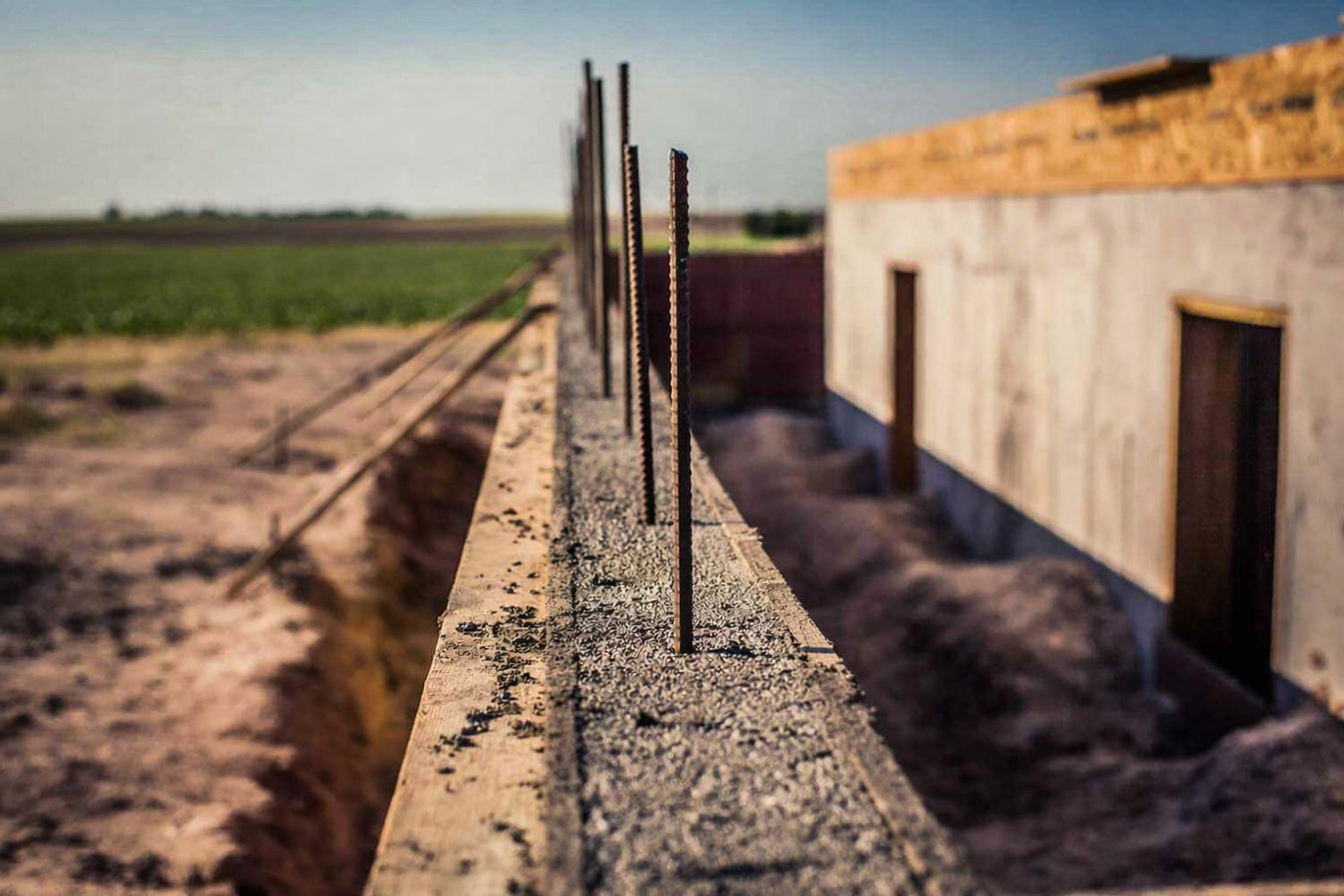
Foundation raising in Worcester lifts a sunken or uneven concrete slab back to its original level by pumping a lifting material through small drilled holes beneath the concrete until the slab rises - most residential jobs are completed in a single day, with the surface walkable by evening and ready for full use within a short curing window.
Most homeowners first notice the problem in spring, when Worcester's ground thaws and the voids that formed over winter become visible as a slope, a gap, or a floor that pools water in one corner. Foundation raising, also called slab lifting or mudjacking, targets that void directly. It costs far less than tearing out and replacing the slab, and it leaves the surface looking nearly the same as before. When a foundation has shifted significantly, many homeowners also look at foundation installation to address the broader structural picture.
Worcester's mix of freeze-thaw cycles, older housing stock, and clay-heavy glacial soils makes foundation sinking more common here than in warmer climates. A contractor who understands these local conditions can tell you whether raising will hold long term or whether underlying drainage corrections are needed alongside it.
If one section of your basement floor sits noticeably lower than the rest, or if water pools in the same corner after every rain, the slab beneath has likely settled. In Worcester's older homes, this is one of the most common early signals that soil beneath the foundation has shifted or washed away. Ignoring it allows the void to grow larger, which makes the eventual repair more complex.
When a foundation moves, the structure above it moves with it. Doors that used to close smoothly now stick, drag, or leave visible gaps at the top or bottom. This is particularly common in Worcester's triple-deckers and Victorian-era homes, where the original framing has very little tolerance for any kind of foundation movement. Seeing this in multiple locations at once is a clear flag for a professional assessment.
Horizontal or stair-step cracks along the lower portion of your foundation wall, especially any that have widened after a cold winter, indicate the foundation has been under stress. Worcester's freeze-thaw cycles can push and pull the soil around a foundation dozens of times each season, and the cumulative effect shows up as cracks that appear or grow year over year. Cracks wider than a pencil tip are worth having examined before the next winter.
If you can see a visible gap between your front steps, stoop, or garage floor and the main structure of your home, the concrete has settled away from the building. This often appears first at the edges of a structure where soil erosion and freeze-thaw action are most active. In Worcester, this pattern tends to become most visible every spring after the ground thaws, making it one of the most reliably seasonal complaints among homeowners we hear from each year.
Every job starts with an on-site assessment where we walk the affected area, look at the slab condition, check for cracks or water damage, and probe for soft spots that tell us where the voids are. We explain what we are seeing in plain language and tell you upfront whether raising is the right solution or whether the slab has deteriorated to a point where replacement makes more sense. There is no charge for this visit, and you will have a written estimate in hand before we schedule any work.
We handle the permit application with the City of Worcester before work begins. On the day of the job, the crew drills a pattern of small holes across the sunken section, then injects the lifting material - either a cement-soil slurry or polyurethane foam, depending on the job requirements - and monitors the rise until the slab returns to level. Holes are patched with a concrete mix before we leave. We offer concrete cutting as a follow-on service when drainage cuts are needed to address the underlying soil issue after the slab is back in position.
Before we close out any job, we walk you through the drainage and grading observations we made during the assessment. Fixing the slab without addressing what caused it to sink is the most common reason homeowners need to call a contractor again within a few years. That conversation is part of the service, not an upsell.
Suits homeowners with larger areas or slabs that need substantial lifting, using a cement-soil slurry pumped under the concrete at lower material cost.
Best for jobs where fast cure time matters or access is limited, using an expanding polyurethane foam that sets quickly and adds minimal weight to the soil below.
Suited to situations where the soil beneath a slab has eroded enough to create a void without causing full settlement, filling the gap before the slab drops further.
Worcester sits in central Massachusetts and experiences some of the harshest freeze-thaw cycling in New England. The ground freezes and thaws repeatedly each winter, pushing and pulling the soil beneath your foundation in ways that gradually create voids and cause sinking. This is not a rare event here. It is a normal part of home ownership in a city with real winters, and spring is typically when the damage becomes most visible. Homeowners in neighborhoods like Main South, Piedmont, and Grafton Hill, where the housing stock is dense and old, see foundation movement regularly. The problem is manageable when caught early.
Worcester's soil also adds complexity. Much of the city sits on glacial till, a mix of dense rocky material and pockets of softer sandy fill left behind by glaciers. The fill areas drain poorly and compress more easily, which is exactly the kind of soil that leads to sinking. Homes in low-lying areas or near former stream corridors are particularly susceptible. Our crews have worked in Worcester long enough to recognize these patterns by neighborhood, which helps us give you an honest assessment rather than a generic one. The International Concrete Repair Institute publishes technical guidance on slab lifting best practices that informs how we approach these repairs.
We serve homeowners throughout the region, including properties in Worcester, Quincy, and Springfield. Each city has its own permit requirements and soil conditions, and we handle that local knowledge so you do not have to.
You call or contact us online and describe what you are seeing - a sloped floor, a gap, water pooling. We reply within one business day and schedule a no-cost on-site visit at a time that works for you.
We walk the affected area, assess the slab, and tell you in plain language whether raising will hold long term or whether something else is going on. You receive a written estimate that covers scope, method, and cost before we schedule anything.
We handle the Worcester building permit before any work begins. Once the permit is approved, we schedule your work date. Spring and early summer are our busiest seasons, so calling early gives you more scheduling options.
The crew drills, injects, monitors the rise, and patches the holes in a single visit. Before we leave, we walk you through any drainage or grading recommendations that will help the repair hold through future winters.
Free on-site assessment. Written estimate before any work. Worcester building permit handled for you.
(774) 778-2788Structural foundation work in Worcester requires a building permit and a city inspection sign-off. We manage the entire process through the city's building department before any crew or equipment arrives. For you, this means the repair is documented, inspected, and on record.
We do not just lift the slab and leave. Every job includes an honest assessment of the drainage and grading conditions that caused the sinking. If there are changes you should make to protect the repair, we tell you directly. The goal is a repair that holds through Worcester winters, not one that needs to be redone in two years.
We work in Worcester and throughout the region, including Brockton, Quincy, Springfield, and eight other service areas. Local familiarity with soil conditions, permit offices, and neighborhood-specific building patterns is something you can not get from a contractor who rarely works in central Massachusetts.
A lot of homeowners have had contractors show up, do the work fast, and leave without explaining anything. Our site visit is free, our estimate is written, and we will tell you if the slab is too far gone for raising to make sense. You will have the information you need to make a real decision before any money changes hands. Massachusetts Home Improvement Contractor registration means you also have access to the state's dispute resolution program if something ever goes wrong.
Foundation raising is one of those services where the difference between a repair that holds for a decade and one that sinks again in two years comes down almost entirely to whether the contractor addressed the cause, not just the symptom. That is the standard we hold ourselves to on every Worcester job.
Precision diamond-blade cuts through basement floors and foundation walls for drains, utilities, and openings - the right tool when raising alone is not enough.
Learn moreFull foundation installation for new construction or complete foundation replacement when slab condition is too far deteriorated to raise.
Learn moreWorcester contractors book up fast once the ground thaws each spring - reaching out now means your job gets scheduled on your timeline, not a waiting list.